
If you have a hot drinks boiler in your office, school, gym, conference centre, it’s really important to ensure it’s serviced regularly. There is a temptation to think that because it produces almost boiling water, this will kill bacteria and so it doesn’t need a regular service.
Hot drinks boilers are a brilliant way of offering your staff and customers an almost constant source of hot water for teas, coffees, soups etc. There is no waiting around for the kettle to boil either so they are a valuable time saver too. However, as the water is kept continually just below a rolling boil, this can concentrate the minerals (such as limescale) in the water, leading to deposits.
Limescale and other mineral deposits will build up over time and this can result in several problems for your machines. Firstly hot drinks boilers have internal probes that allow the machine to sense when it needs to refill. If these are coated with limescale your boiler will not be able to detect the water levels and it will not work. Limescale can also block the dispensing tap on the boiler, or worse cause the tap to sputter and spit when people are using it. This is not ideal considering the water is exceptionally hot. Furthermore, if your machine is full of mineral deposits, this will leave a cloudy film and potentially give a taste to your hot drinks.
Finally, if you do not regularly service your hot drink boiler it will result in the machine not working and ultimately the damage done, can be too costly to fix. This can all be avoided by ensuring your boiler is cleaned regularly by a professional and has the right type of filter on it to remove minerals and deposits from the water before it even gets to the machine.
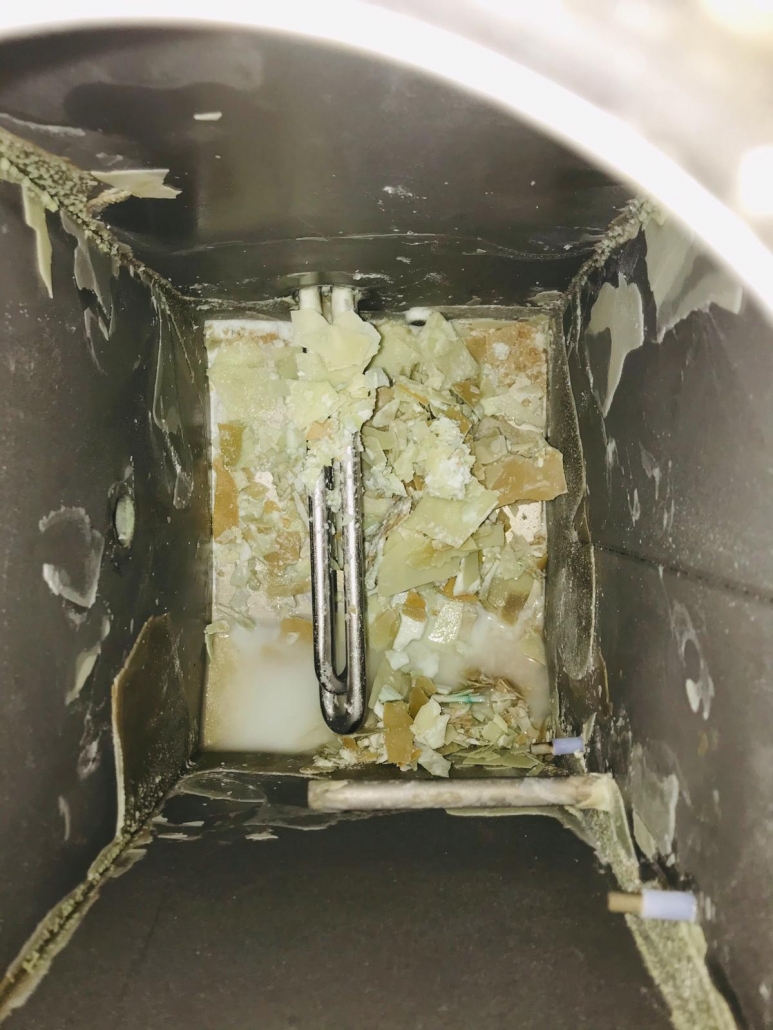
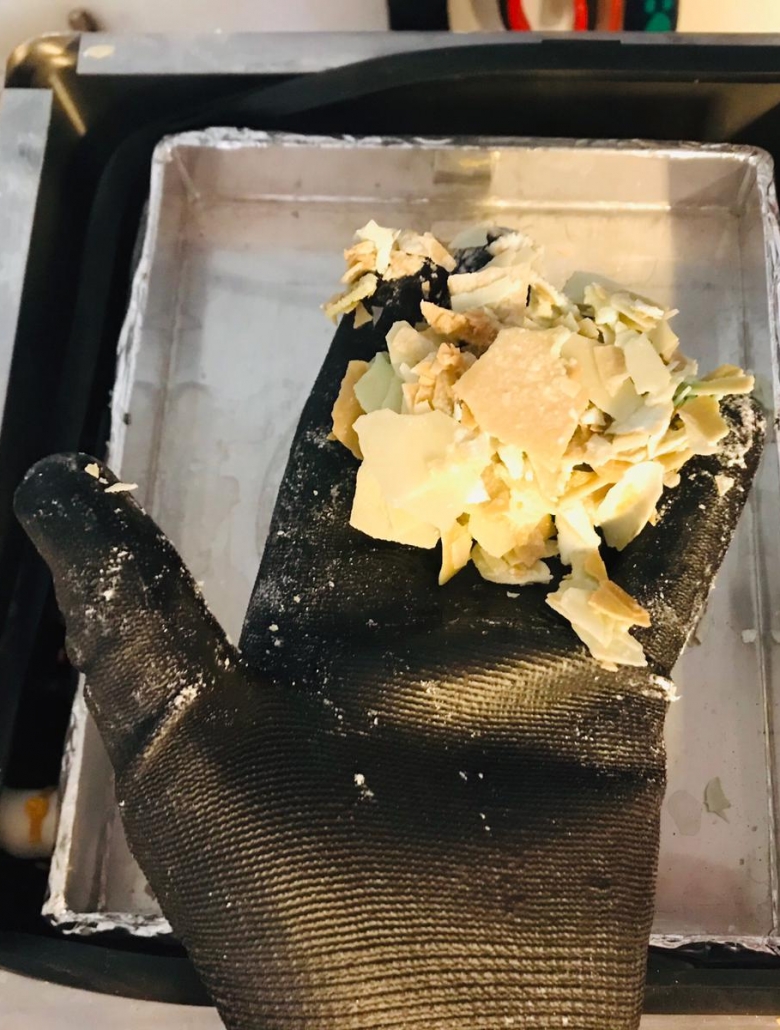
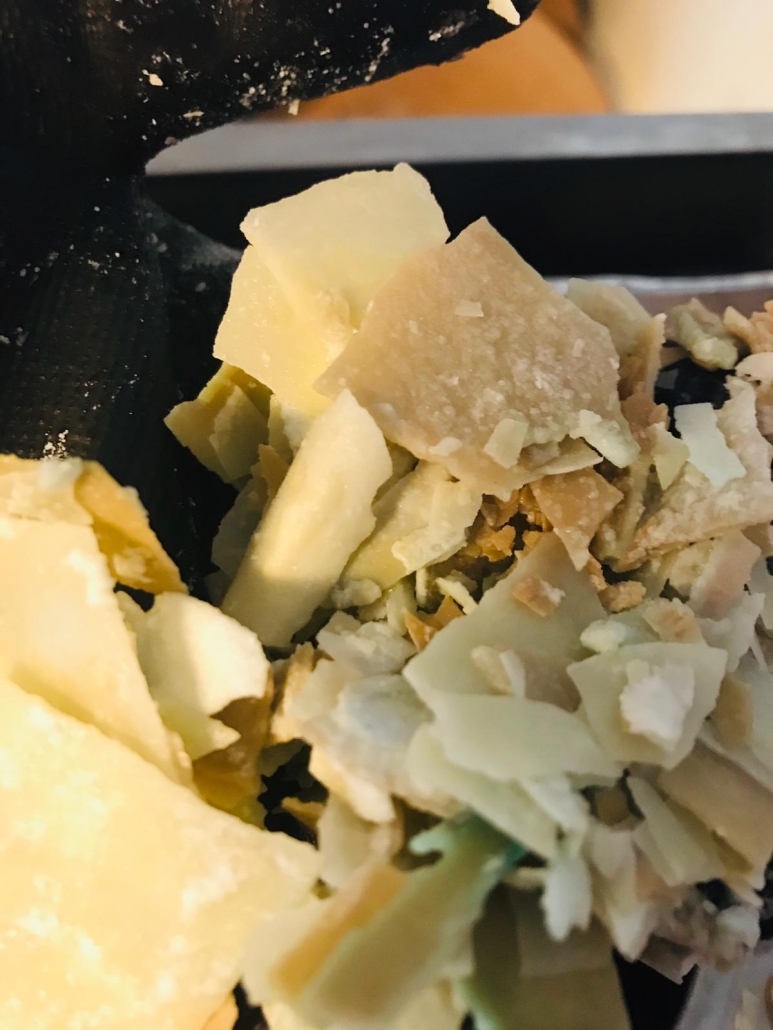
Customers are often surprised at the amount of limescale that we can remove, during a callout to a broken boiler. It can build up into hard shards (a bit like thin layers of concrete) that stick to the walls of the boiler and swirl around inside. It’s always surprising as to how hard the limescale is, and how difficult it can be to remove. Here are some pictures from a recent callout we had to a boiler that had stopped working.
For more information please visit our service contracts or contact us now.


